Turn Ideas Into a Real Book.
Publish-Ready Today.
From your expertise to a packaged content that feels like it had a team behind it. Structured, written, designed, and ready to ship. One place. One workflow.

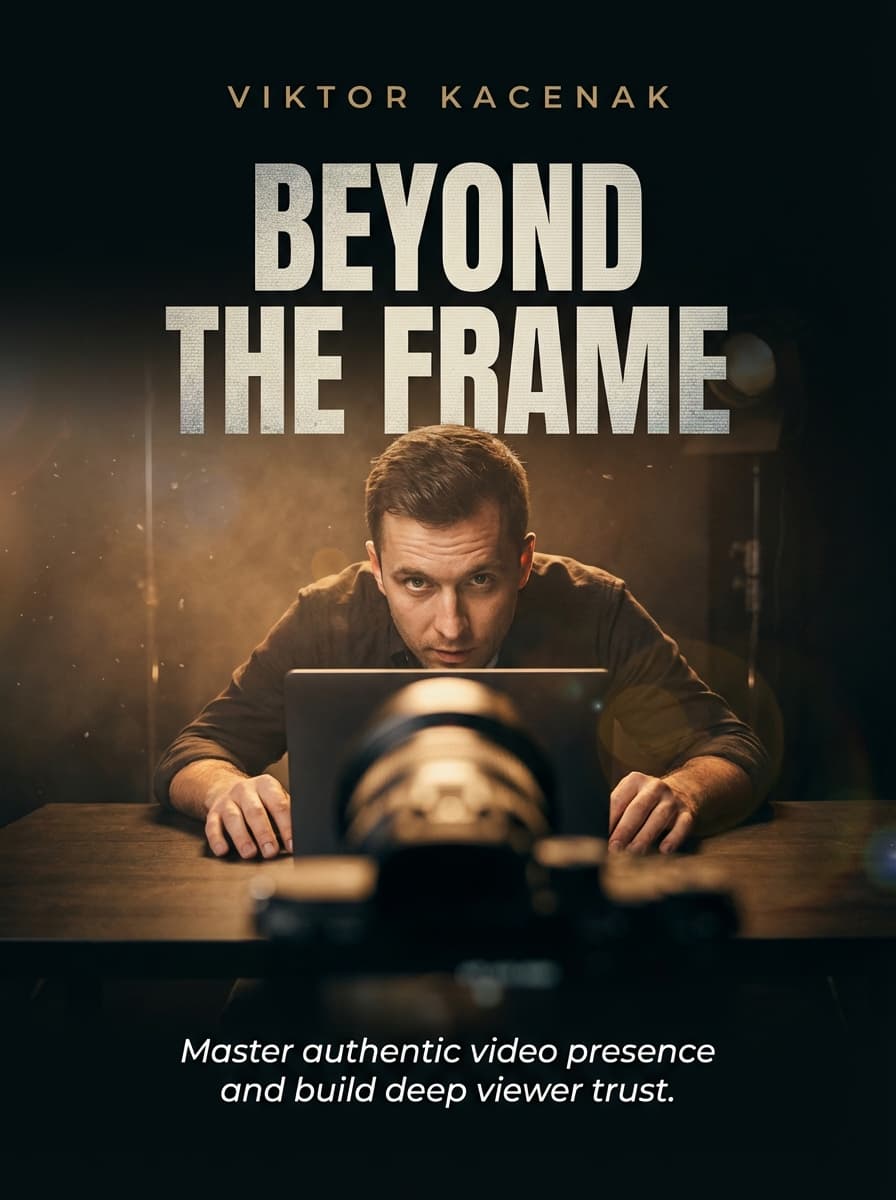
The red recording light blinks on. In that instant, the person you were moments ago vanishes. Your throat tightens, your hands forget where to rest, and a voice in the back of your mind starts whispering that you're about to embarrass yourself. This is the moment that separates those who create from those who only dream about it — the threshold between intention and action that every content creator must cross.
If this sounds familiar, you're not alone. Camera anxiety affects the vast majority of new creators, and even seasoned professionals admit that the inner critic never fully disappears. It simply learns to speak more quietly as you build the mental frameworks to override its warnings and trust your preparation instead of your fear.
But here's what the most magnetic on-screen personalities understand: confidence on camera isn't the absence of fear. It's a practiced skill, a muscle you build through deliberate repetition and self-awareness. The journey from anxious beginner to natural presenter follows a predictable arc that anyone can accelerate with the right approach and consistent practice.
Your body speaks before you do. Every gesture, posture shift, and micro-expression tells your audience a story about who you are and whether they should keep watching. The camera amplifies everything — a slight slouch becomes visible disengagement.
Start by finding your anchor position — the natural resting state your body returns to between gestures. For most people, this means shoulders back, chin slightly lifted, hands resting comfortably at waist height.
The red recording light blinks on. In that instant, the person you were moments ago vanishes. Your throat tightens, your hands forget where to rest, and a voice in the back of your mind starts whispering that you're about to embarrass yourself. This is the moment that separates those who create from those who only dream about it.
If this sounds familiar, you're not alone. Camera anxiety affects the vast majority of new creators, and even seasoned professionals admit that the inner critic never fully disappears. It simply learns to speak more quietly as you build the mental frameworks to override its warnings.
But here's what the most magnetic on-screen personalities understand: confidence on camera isn't the absence of fear. It's a practiced skill, a muscle you build through deliberate repetition and self-awareness. The journey from anxious beginner to natural presenter follows a predictable arc.
Research in cognitive psychology tells us that audiences form their impression within three seconds of seeing you on screen. That's less time than it takes to clear your throat. In those three seconds, your posture, eye contact, and vocal energy have already told a story.
The red recording light blinks on. In that instant, the person you were moments ago vanishes. Your throat tightens, your hands forget where to rest, and a voice whispers that you're about to embarrass yourself.
If this sounds familiar, you are not alone. Camera anxiety affects the vast majority of new creators, and even seasoned professionals admit that the inner critic never fully disappears.
But here is what the most magnetic on-screen personalities understand: confidence on camera is not the absence of fear. It is a practiced skill, a muscle you build through deliberate repetition.
In the chapters ahead, we will dismantle the myths that keep aspiring creators frozen in place and replace them with a concrete, science-backed framework you can begin using today.
The prefrontal cortex gets flooded by signals from the amygdala — the brain's threat detection center. Your body cannot distinguish between a camera lens and a thousand staring eyes.
This is why the physical symptoms feel overwhelming. Your mouth goes dry, your hands tremble, your voice cracks. Every single response is your body doing exactly what evolution designed it to do.
Dr. Marcos describes camera anxiety as a spectrum rather than a binary state. The goal is not to eliminate anxiety but to move yourself into the productive tension zone.
Research tells us audiences form their impression within three seconds. Your posture, eye contact, and vocal energy have already told a story before you speak a single word.
Stand in front of your camera every morning and record a thirty-second greeting. The goal is to normalize seeing that recording light and responding with calm presence rather than panic.
Professional anchors use the countdown method. Three seconds before going live, they take one deep breath, soften their facial muscles, and think of a single anchor word — steady, warm, or open.
This works because of embodied cognition: your physical state directly influences your mental state. Relax your shoulders, and your brain interprets these signals as safety cues.
Your body speaks before you do. Every gesture, posture shift, and micro-expression tells your audience a story about who you are and whether they should keep watching.
Studies in nonverbal communication show that body language accounts for up to fifty-five percent of the emotional impact of any message. Your words might be perfect, but if your body sends conflicting signals, audiences trust what they see.
Physical presence can be trained through small, deliberate adjustments to your posture and movement patterns over just a few weeks of dedicated practice.
Start by finding your anchor position — the natural resting state your body returns to between gestures. Shoulders back but not rigid, chin slightly lifted, hands at waist height.
Practice this position daily in front of a mirror for two minutes each morning. Notice where tension creeps in and gently release those areas back to neutral.
The screen creates a paradox. It connects you to thousands yet separates you from every single one of them. Learning to bridge that gap is the most important skill a modern creator can develop.
Conversational intimacy starts with treating the lens like a person you trust. When you look at the camera, imagine speaking to one specific person who genuinely needs to hear what you have to say.
The most successful creators share one common trait: they make each viewer feel like the only person in the room. This is a genuine orientation toward service, not a performance trick.
The screen is not a wall — it is a window. Your audience can see you, and more importantly, they can feel your energy through the digital medium.
Parasocial intimacy does not require revealing your deepest secrets. It requires consistent presence, genuine interest, and the courage to show up as yourself.
Your signature style emerges from the intersection of who you are and who you choose to be on screen. It is the thread that connects every piece of content you create.
Think of your on-screen persona as a volume dial, not a mask. You are still you — just at a slightly higher amplitude so the nuances of your personality survive the compression of digital media.
The journey from nervous beginner to confident creator is not a straight line. It is a spiral — each revolution bringing you closer to your authentic on-screen self.
Look back at where you started. Remember the racing heart, the stumbling words. Now your body knows its anchor position. Your voice has found its natural rhythm. Your eyes connect with the lens as naturally as they connect with a friend.
The world needs more authentic voices, more genuine perspectives. Every time you press record, you join a global conversation that shapes how people think, learn, and connect.
So take what you have learned, step in front of the camera, and share your story. Not perfectly — never perfectly — but authentically, with the quiet confidence of someone who knows that the person behind the lens matters far more than the frame around them.
Reduce the Time. Keep the Quality.
You provide the knowledge and vision. The pipeline handles everything between brief and final file.









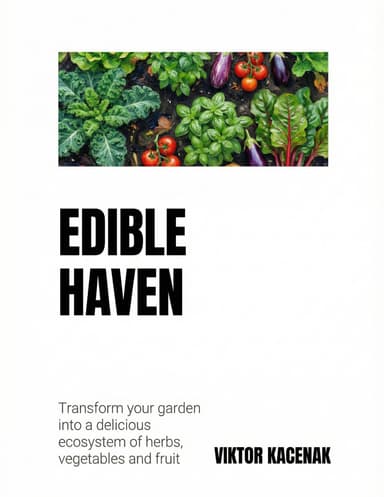

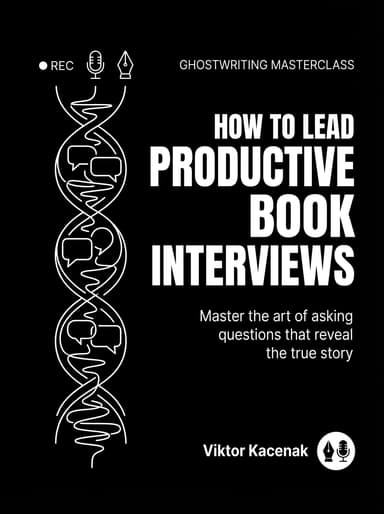
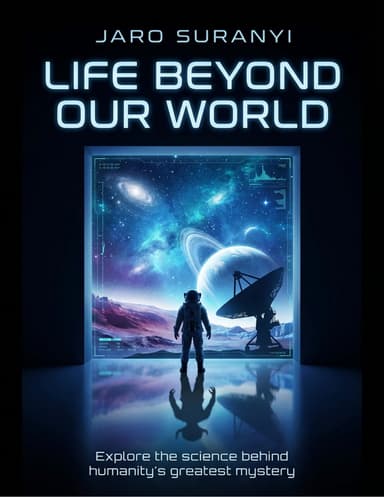
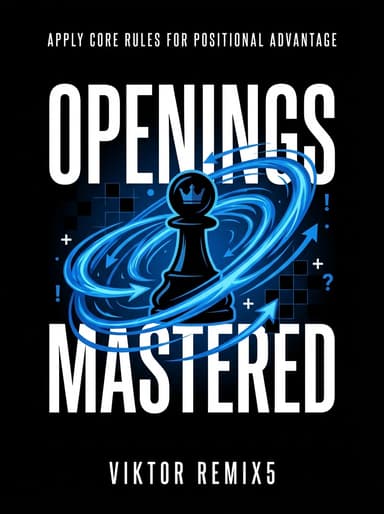







You've already written the hard part in your head. The framework, the method, the story — it's all there. What's missing isn't the content. It's the production pipeline to turn it into something real.
Authorio exists because creators abandon projects after the first chapter. Not because the writing is bad, but because the gap between “draft” and “publish-ready” is a cliff, not a path.
AI can write a chapter in minutes. But a professional book needs editorial refinement, consistent voice, proper formatting, cover design, and multi-format export. That's a writer, an editor, a designer, a formatter, and a project manager — five roles most creators can't afford or coordinate.
Authorio collapses all of that into one pipeline. You bring the expertise. The pipeline handles the production. What used to take a team and a quarter now takes one person and a weekend.
Our content system is used by professionals from:


The Book Creation System That Didn't Exist Until Now
One seamless engine that mirrors the way real authors and studios work. Every book is structured, written, and polished without spending thousands on freelancers or months on production.
Authorio
The Dispatchers Playbook
2h ago
The High Growth Startup
5h ago

Understanding and Managing Severe Anxiety
1d ago
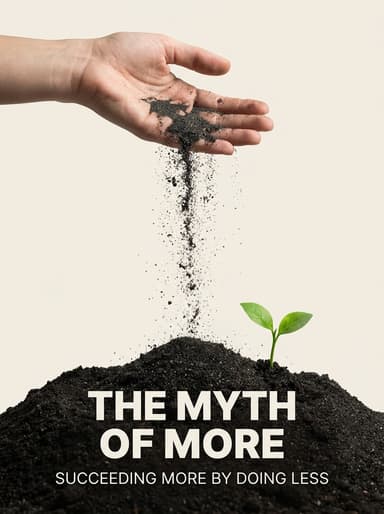
The Myth of More
2d ago
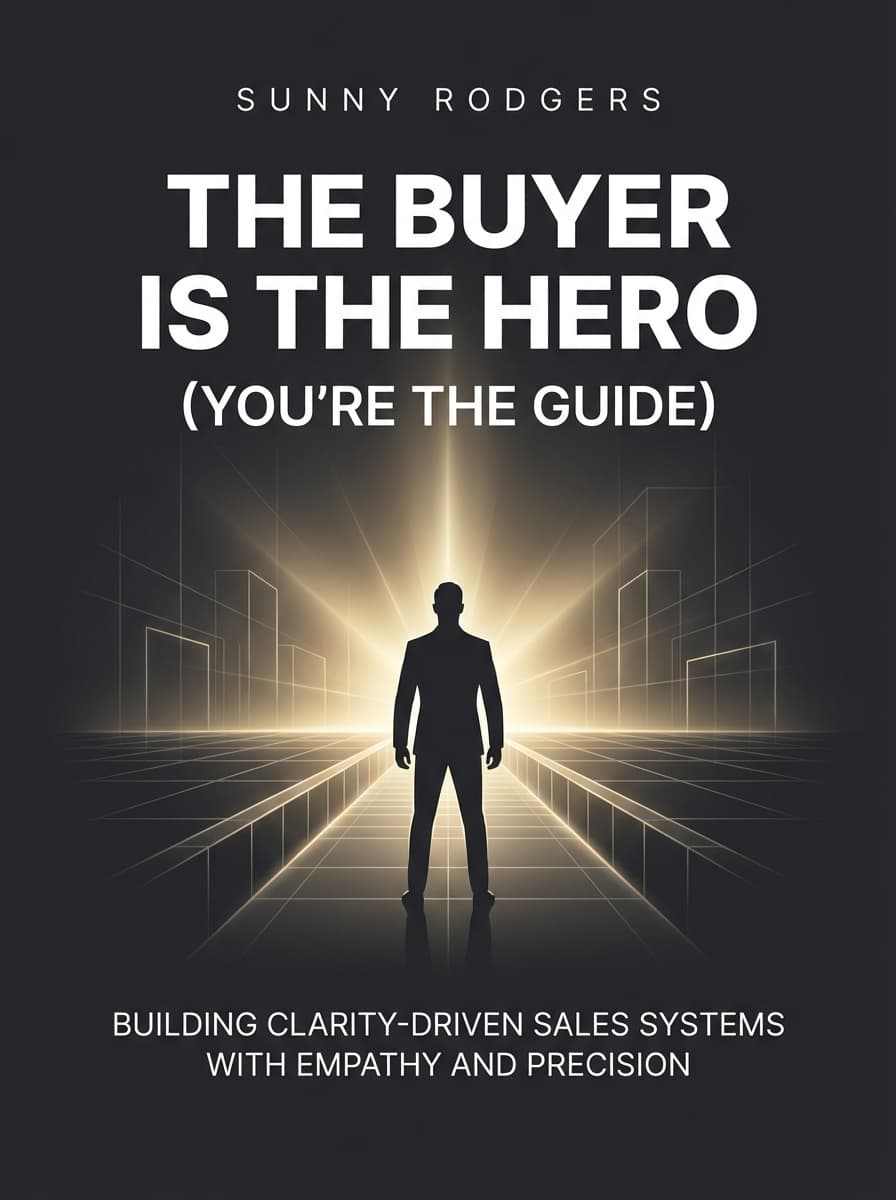
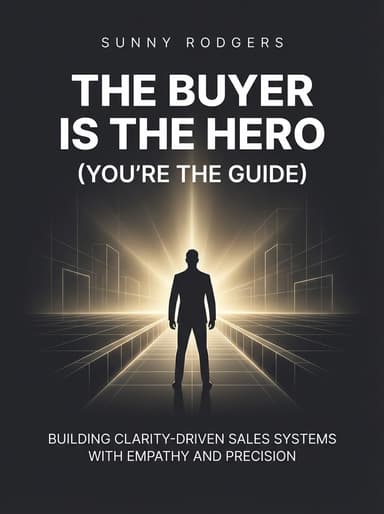
The Buyer Is the Hero
3d ago

How to Write Sales Copy That Converts
4d ago

Enduro Racing for Dummies
5d ago

Five Star Trades
1w ago
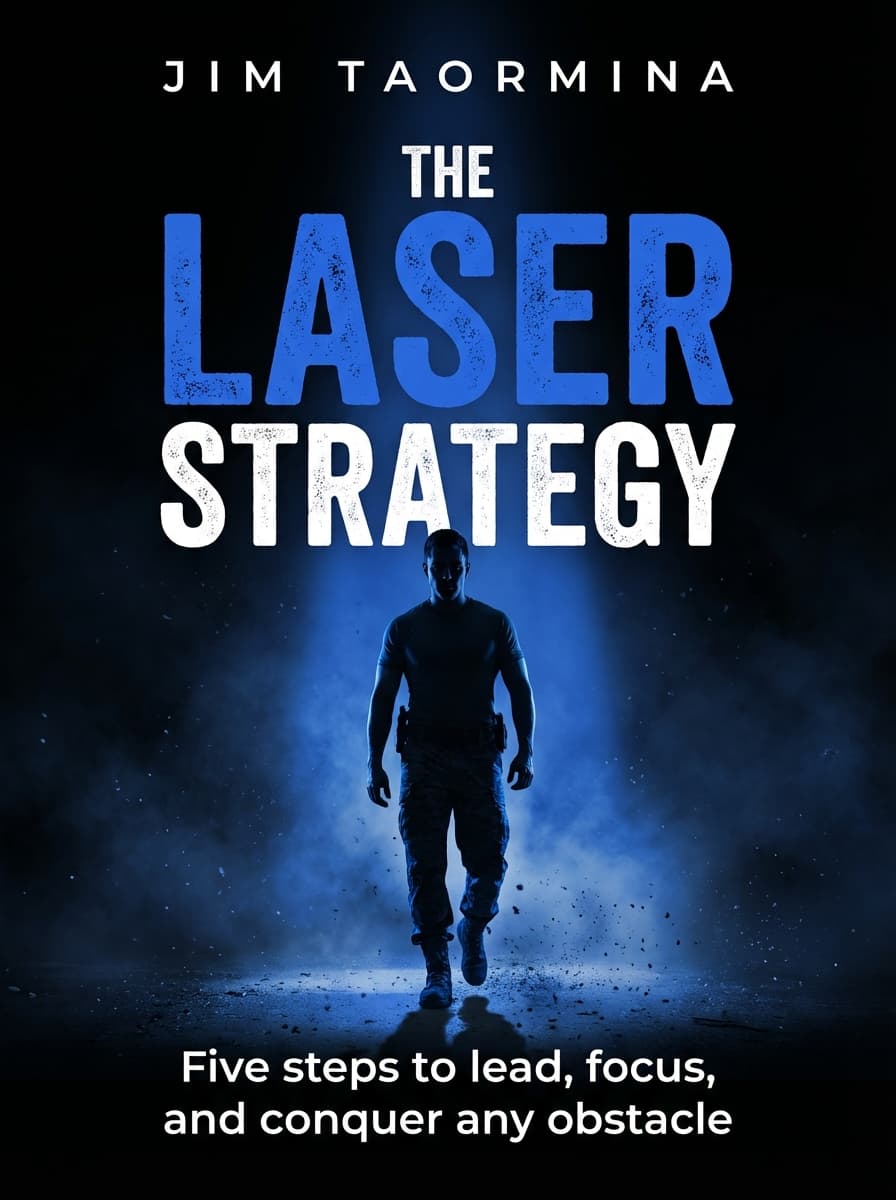
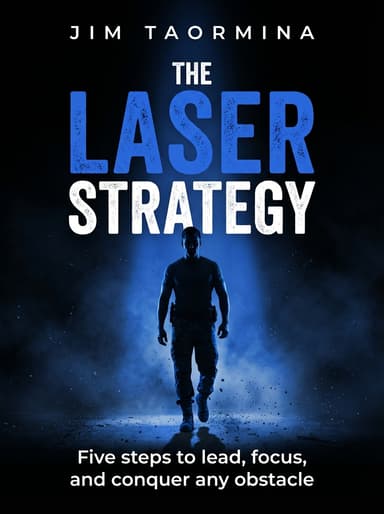
The LASER Strategy
1w ago

Ultimate Course Launch
2w ago
Ideation & Research
Generates angles aligned to your audience and pulls in real research context. Every book starts with depth, not a blank page.
Structure & Outline
Transforms ideas into a logical chapter flow with professional TOC. The backbone that holds a full-length book together.
Long-Form Drafting
Writes in your voice across full chapters — not one prompt at a time. Context, tone, and narrative arc stay consistent from page one to the last.
Editorial Refinement
Four AI passes — flow, style, fact-check, grammar. The layer between “AI draft” and “publish-ready” that no other tool has.
Your Brief Becomes a Launch-Ready Book
Every book moves through six stages. One pipeline that runs start to finish with your input at every stage.
Three Ways to Create. Only One Makes Sense.
What one book actually costs — depending on how you build it. See for yourself.
Ghostwriter
DIY + AI Tools
Authorio
Replace Your Entire Toolchain
Stop juggling AI writers, word processors, design apps, and export tools. Authorio replaces them all.

Pick Your Pace. Start Publishing.
Word-based tiers. You always know what you get. Cancel anytime.
Creator
For your first book or lead magnet.
30,000 words
~2 books + covers
- Next-gen editor
- Cover design studio
- Theme formatting
- Professional export
- In-book illustrationsSoon
- Full editing agentSoon
- Landing pagesSoon
Author
For regular content production.
70,000 words
~5 books + covers
- Next-gen editor
- Cover design studio
- Theme formatting
- Professional export
- In-book illustrationsSoon
- Full editing agentSoon
- Landing pagesSoon
Publisher
For agencies and volume producers.
200,000 words
~15 books + covers
- Next-gen editor
- Cover design studio
- Theme formatting
- Professional export
- In-book illustrationsSoon
- Full editing agentSoon
- Landing pagesSoon

2,000+
Books Created
Before Launch

2 Years
Of Development
& Testing
Entrepedia's infoproduct creation and book publishing experience is fully injected into this system. Now we're giving away our industry-leading engine.
Built for Creators Who Ship, Not Tinker.
Whether you need one lead magnet, authority book, or thirty client deliverables a year.
Coaches & Consultants
Ship a professional lead magnet this month, not next quarter. Your expertise deserves better than a Google Doc.
“My expertise finally looks the part.”
Indie Publishers
Professional publishing quality at software pricing. PDF, EPUB, and Kindle — formatted, compliant, done.
“Professional quality at software pricing.”
Creators & Infopreneurs
The creator who ships 6 assets this year beats the creator who perfects 1. Build a repeatable production system.
“Six books this year, not one.”
Agencies
Replace 3–5 freelancers per project with one pipeline. Your team shifts from coordination to quality review.
“One pipeline replaces three freelancers.”
Write Less. Finish More.
Generate your intro chapter free. No payment, no commitment. See if your book is finally finishable.