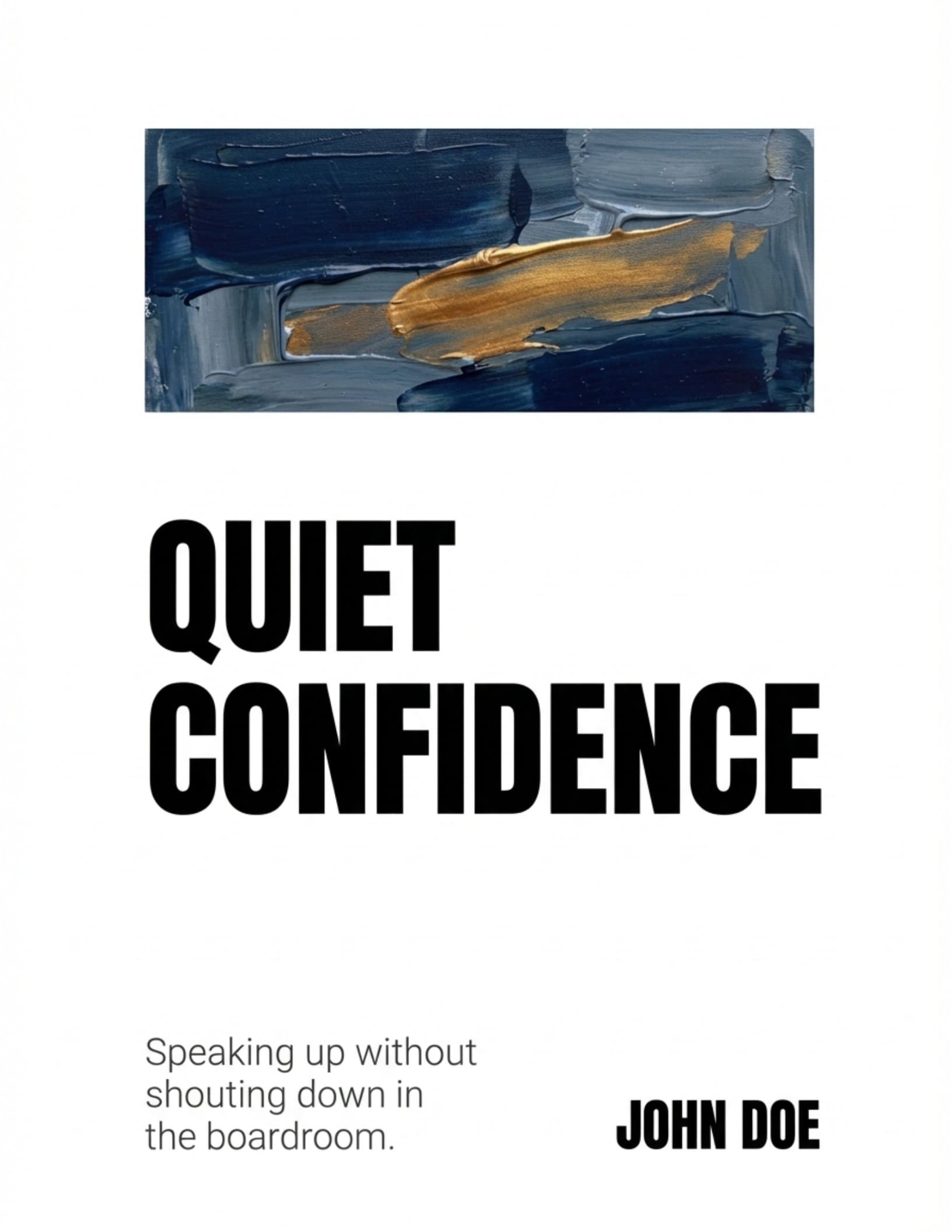
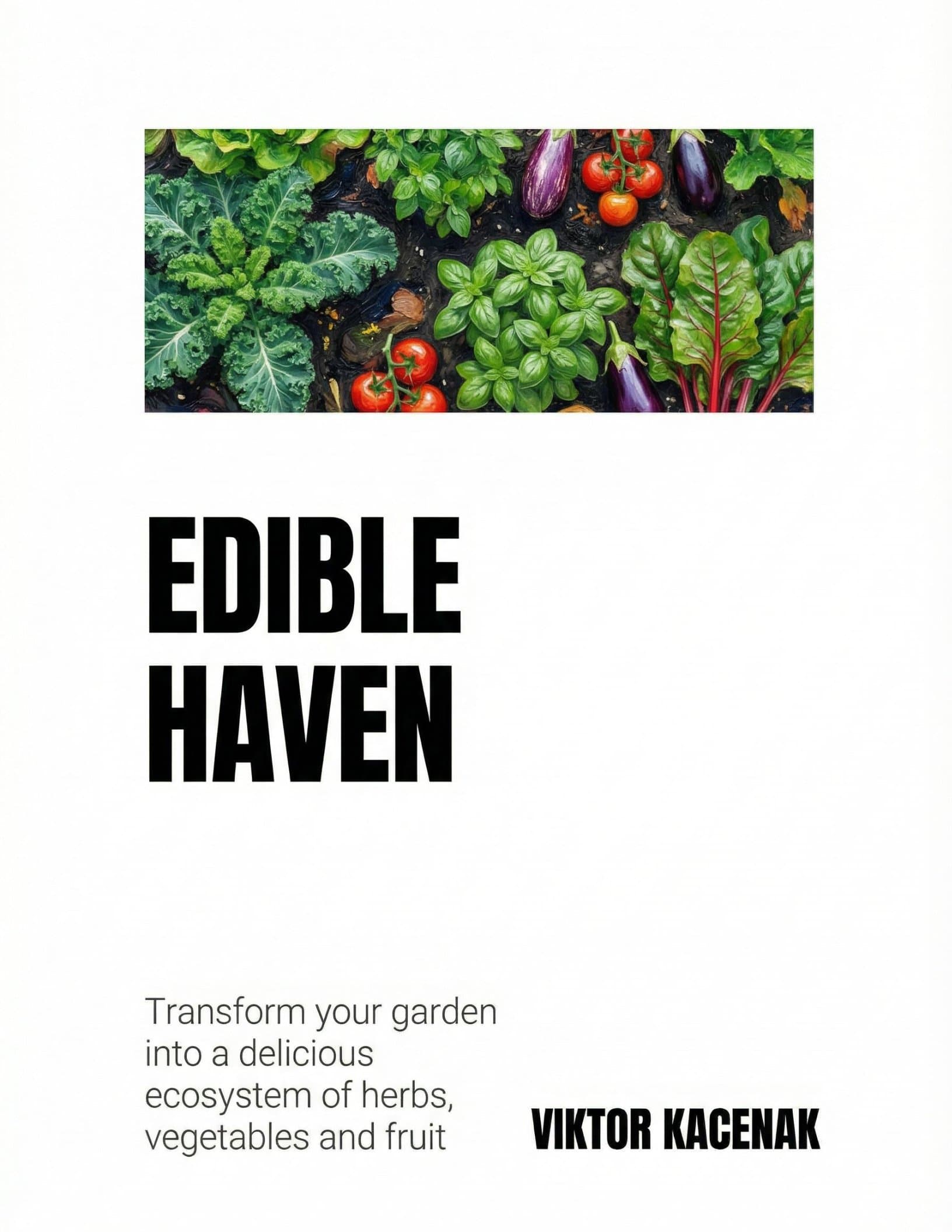
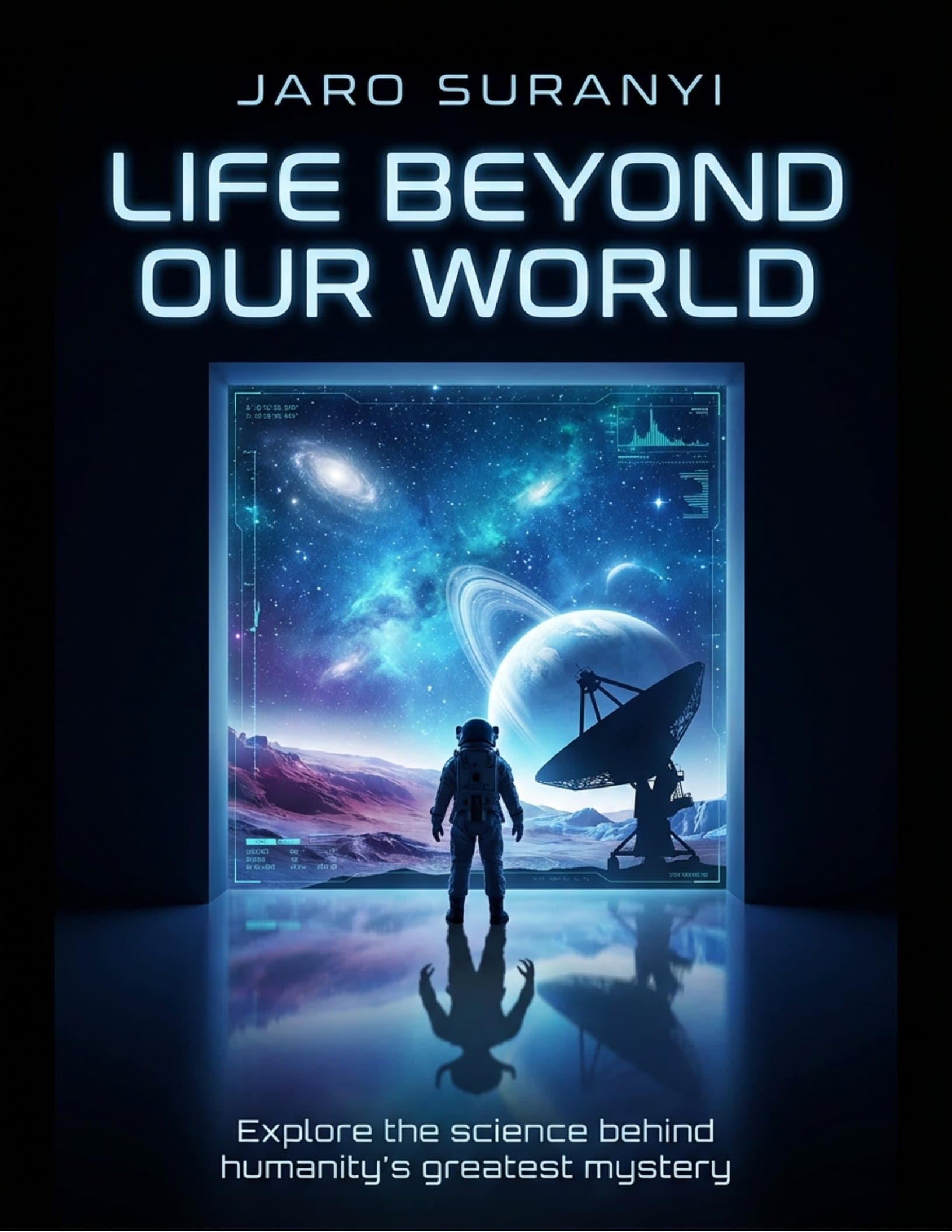
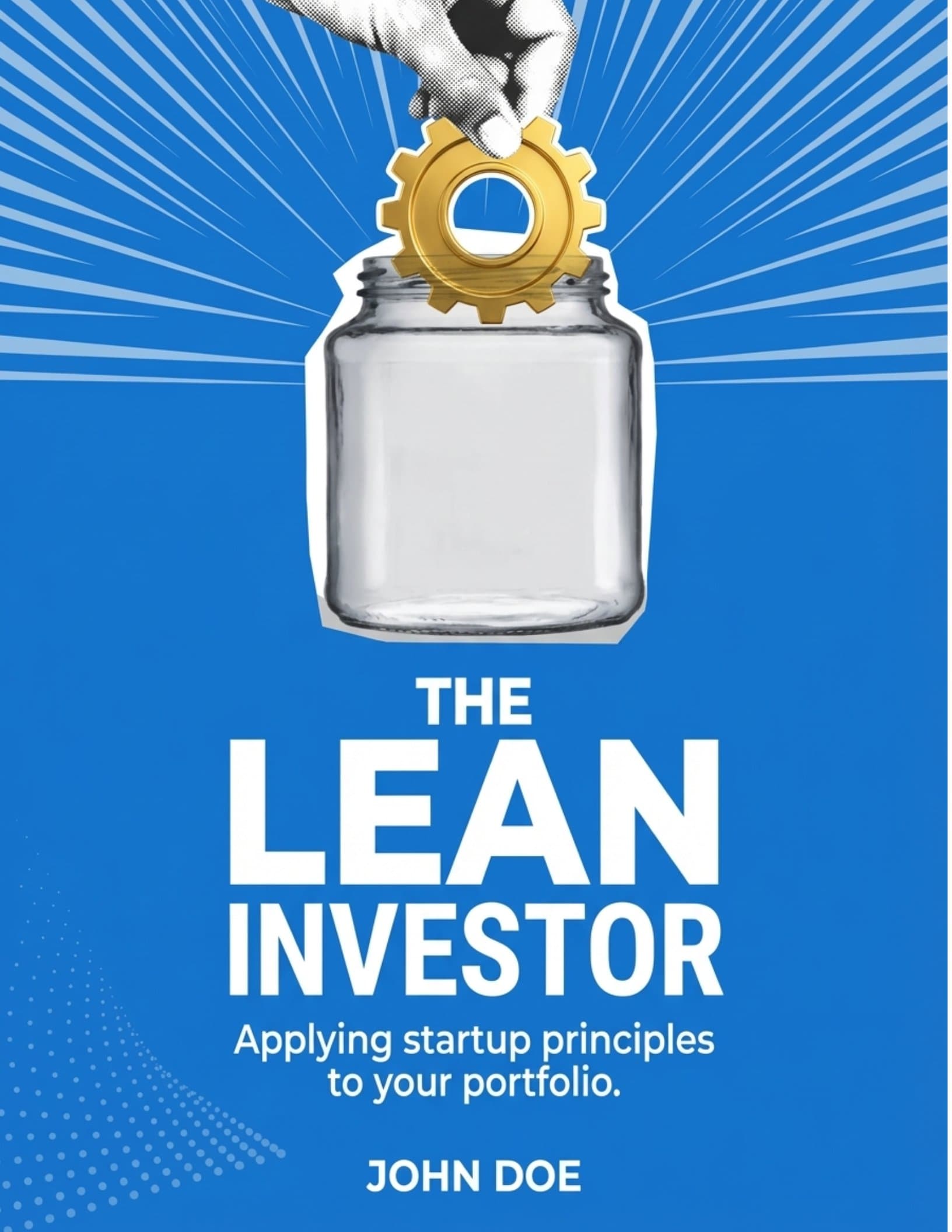
The phrase "write a book with AI" gets 2,400 searches a month. The reality behind those searches is uglier: most people who try end up with 50,000 words of generic text that reads like a corporate memo written by committee. Usage of the term "AI slop" surged 9x in 2025, and 54% of Gen Z now say they prefer zero AI involvement in creative work.
The problem isn't AI itself. It's that general-purpose AI tools like ChatGPT, Claude, and Jasper were built for conversations and marketing copy, not books. A book needs structure. Chapters that build on each other. A consistent voice across 200 pages. Front matter, back matter, covers, formatting, and export files that meet platform specifications. No chatbot handles that. That's exactly why we built Authorio: to close the gap between "AI-generated text" and a real, publish-ready book.
We evaluated four tools on what actually matters for book creation: Can it manage a full manuscript structure? Does the output sound like a human expert, or like a language model? And does it get you from idea to a publish-ready file, or does it dump raw text and leave you to figure out the rest?





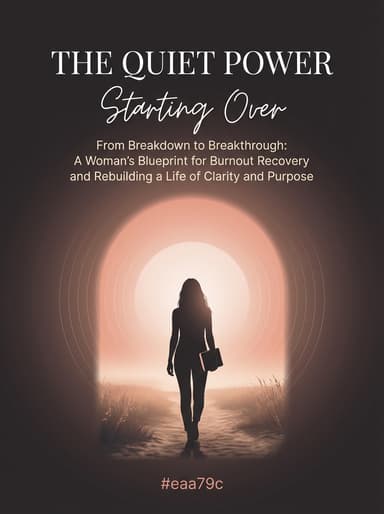
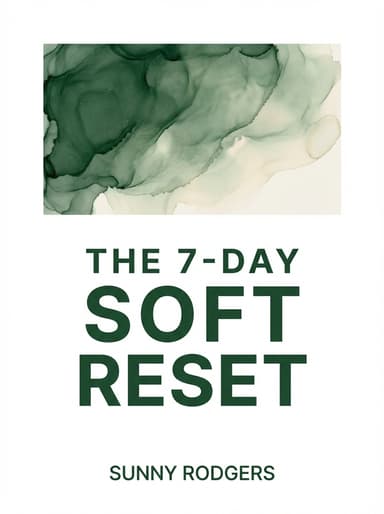
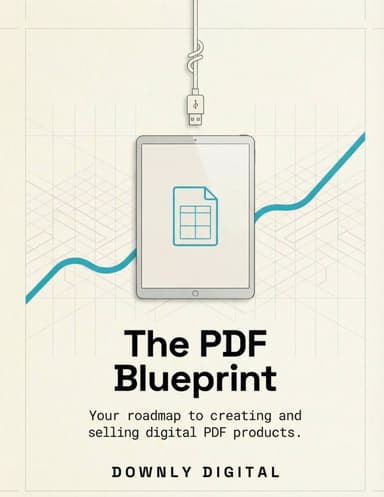
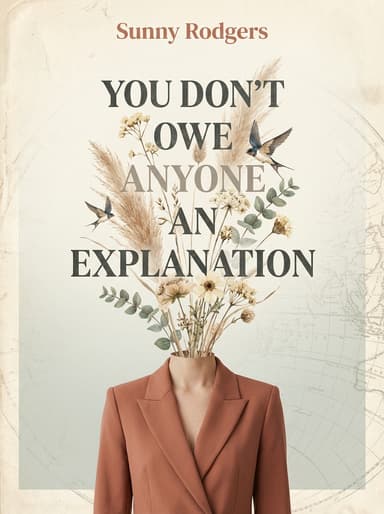
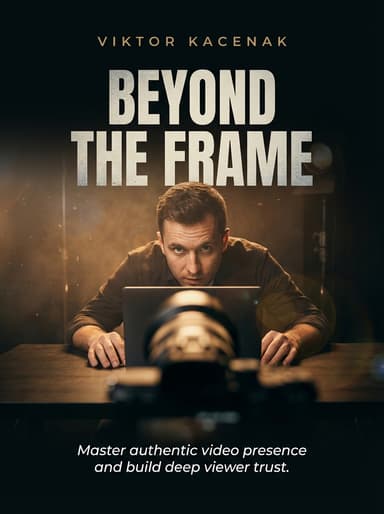
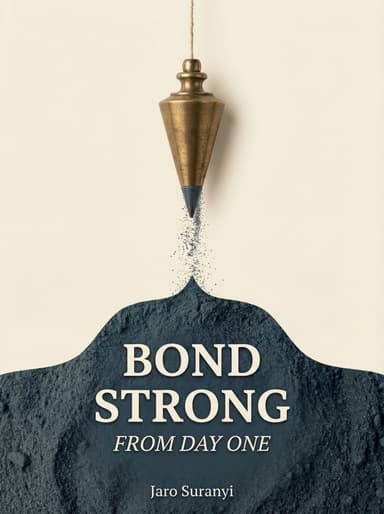
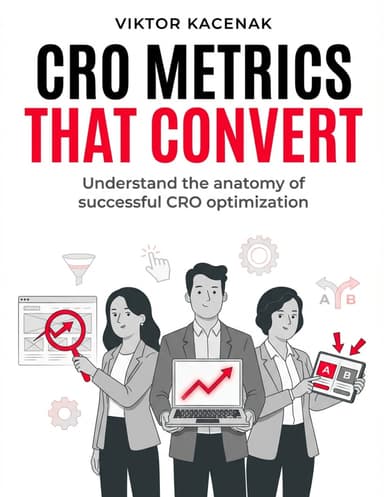

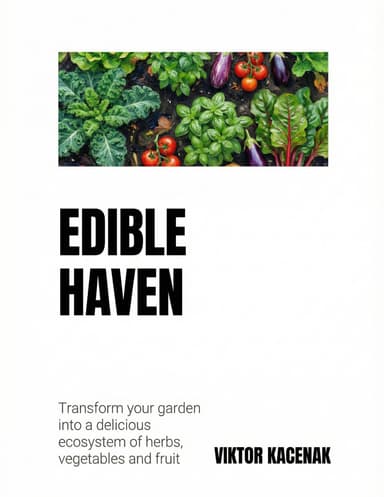
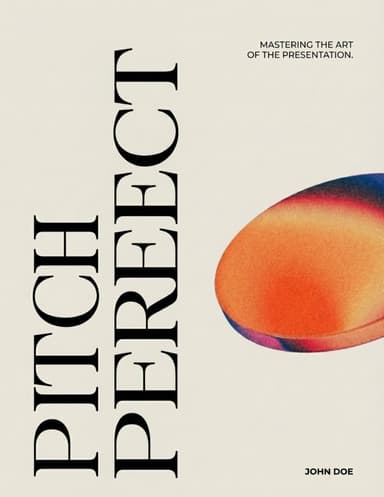
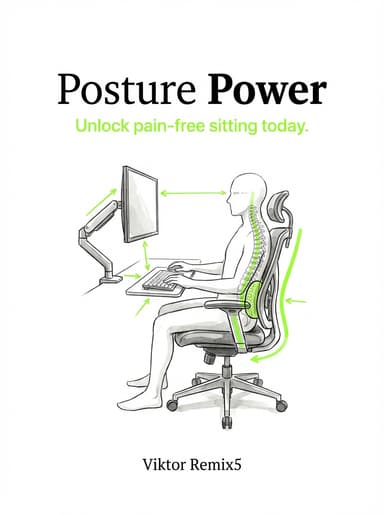
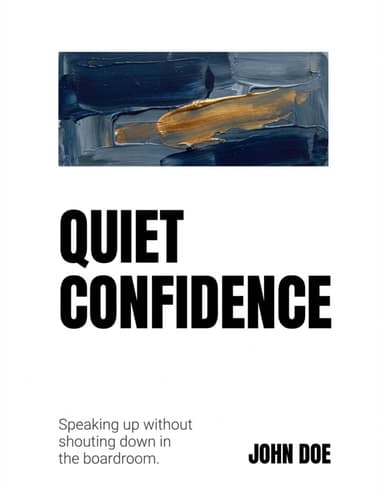

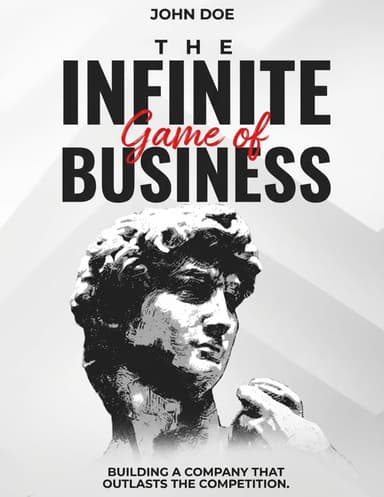
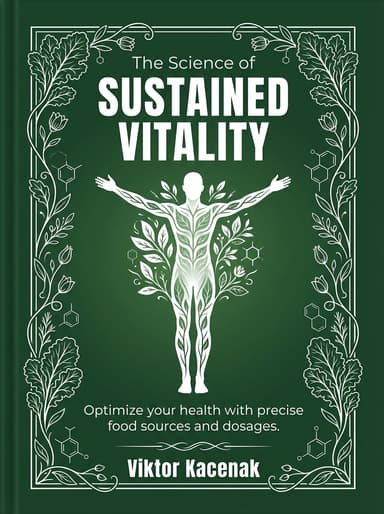
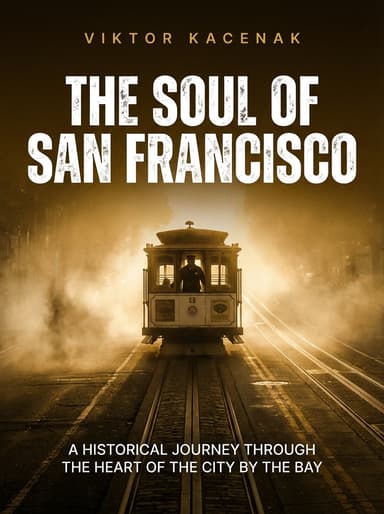
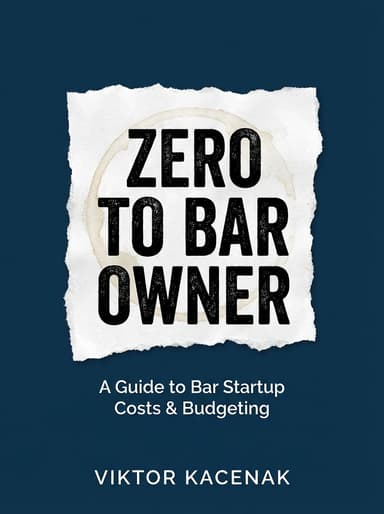

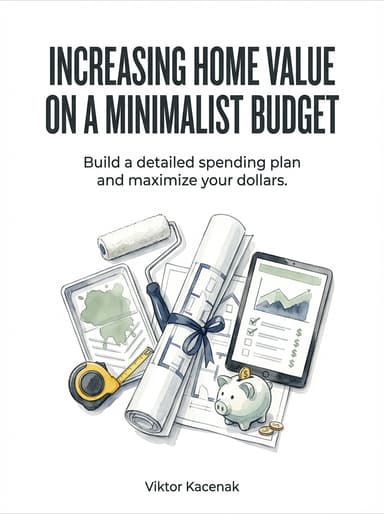
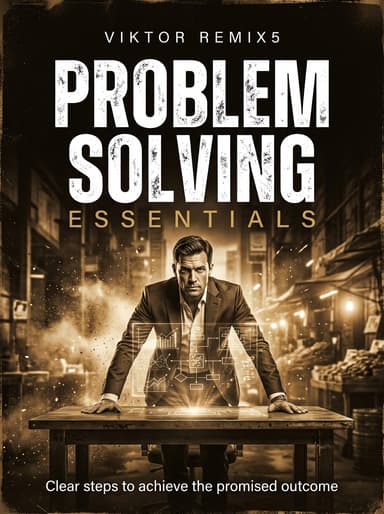

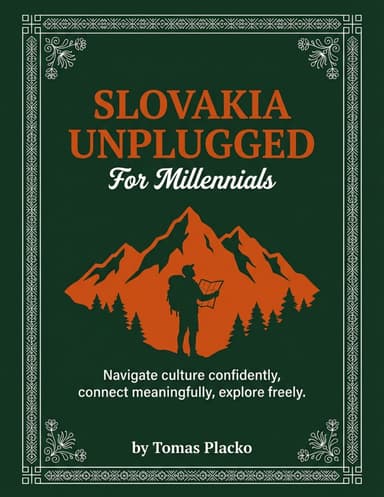
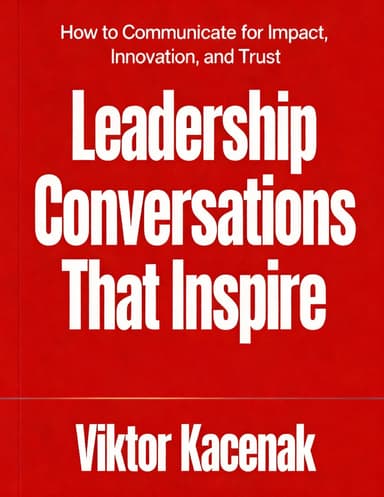


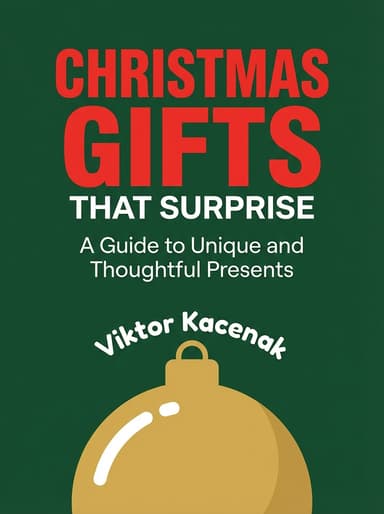
At a Glance
Authorio
Full PipelineThe only tool purpose-built for complete AI book creation. Full pipeline: outline, draft chapter-by-chapter, 4-pass editorial (flow, style, fact-check, grammar), AI cover generation, professional formatting with themes, and multi-format export. No tool-switching, no copy-pasting, no assembling across apps. Built specifically for non-fiction: business books, coaching materials, lead magnets, authority content.
Sudowrite
AI writing assistant designed specifically for fiction. Story Engine generates novel drafts from beats and outlines. Strong prose tools for creative writing. But it stops at the text: no covers, no formatting, no professional export. If you're writing non-fiction, this isn't the right tool.
ChatGPT
Great for brainstorming and generating rough chapter outlines. But it has no manuscript management, no chapter structure, no formatting, and no export. You copy-paste into Google Docs and then spend 15-25 hours assembling the book yourself. Stanford research showed GPT-4 accuracy dropped from 97.6% to 2.4% on certain tasks. Quality is a real concern.
Jasper
Built for marketing teams, not authors. Brand voice features and campaign workflows are solid for what they do. But there's no book structure, no chapter management, no covers, no formatting themes. At $49/mo, the most expensive option here, you're paying a premium for marketing-specific AI that wasn't designed for books.
A Book Needs Five Steps. Most Tools Cover One.
Every AI tool can generate text. But a publishable book requires outlining, drafting, editing, design, and export. Here's what each tool actually handles.
Outline
Draft
Edit
Design
Export
What One Book Actually Costs.
Tool subscriptions are just the starting price. Factor in design, editing, formatting, and your time, and the real cost per book changes dramatically.
ChatGPT + DIY Stack
Freelancer
Authorio
One Studio. Three Superpowers.
Write, edit, and design — all in one continuous workflow. No tool switching. No lost context.

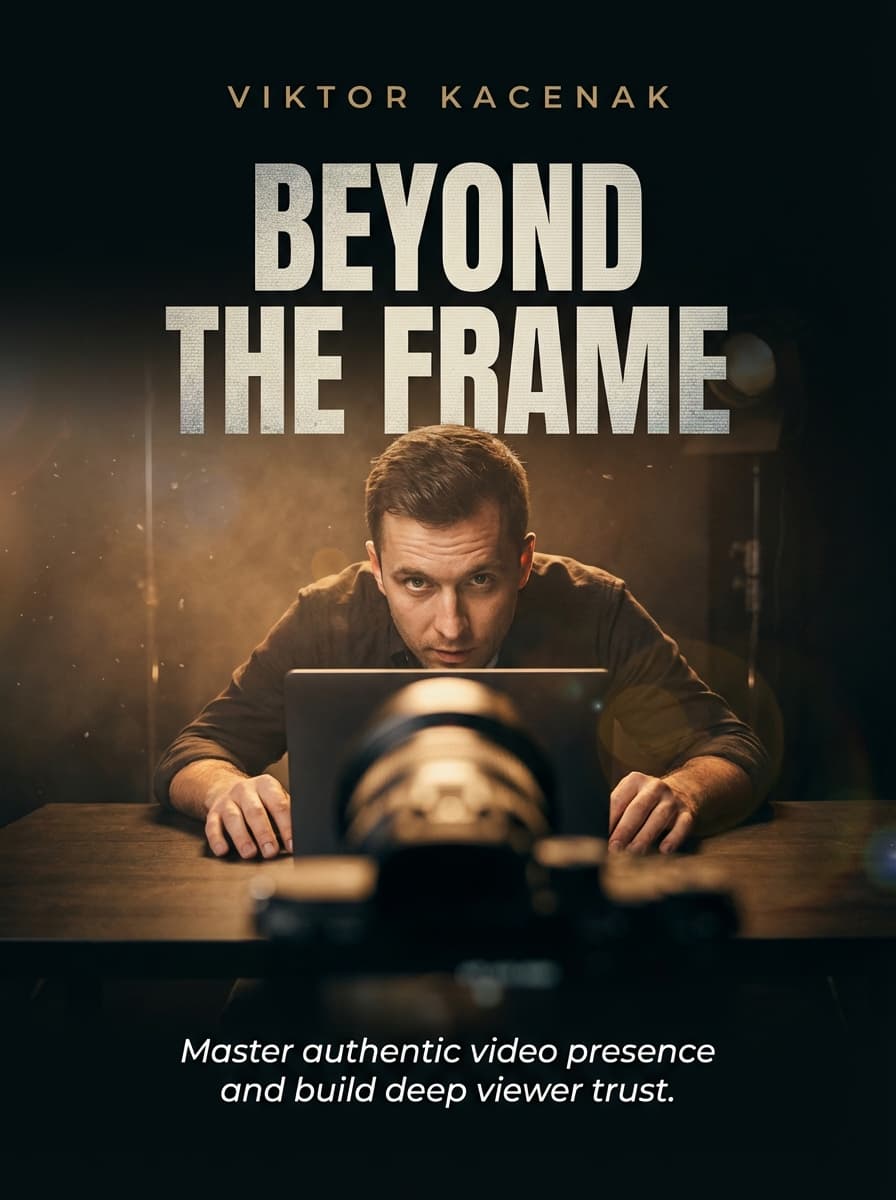
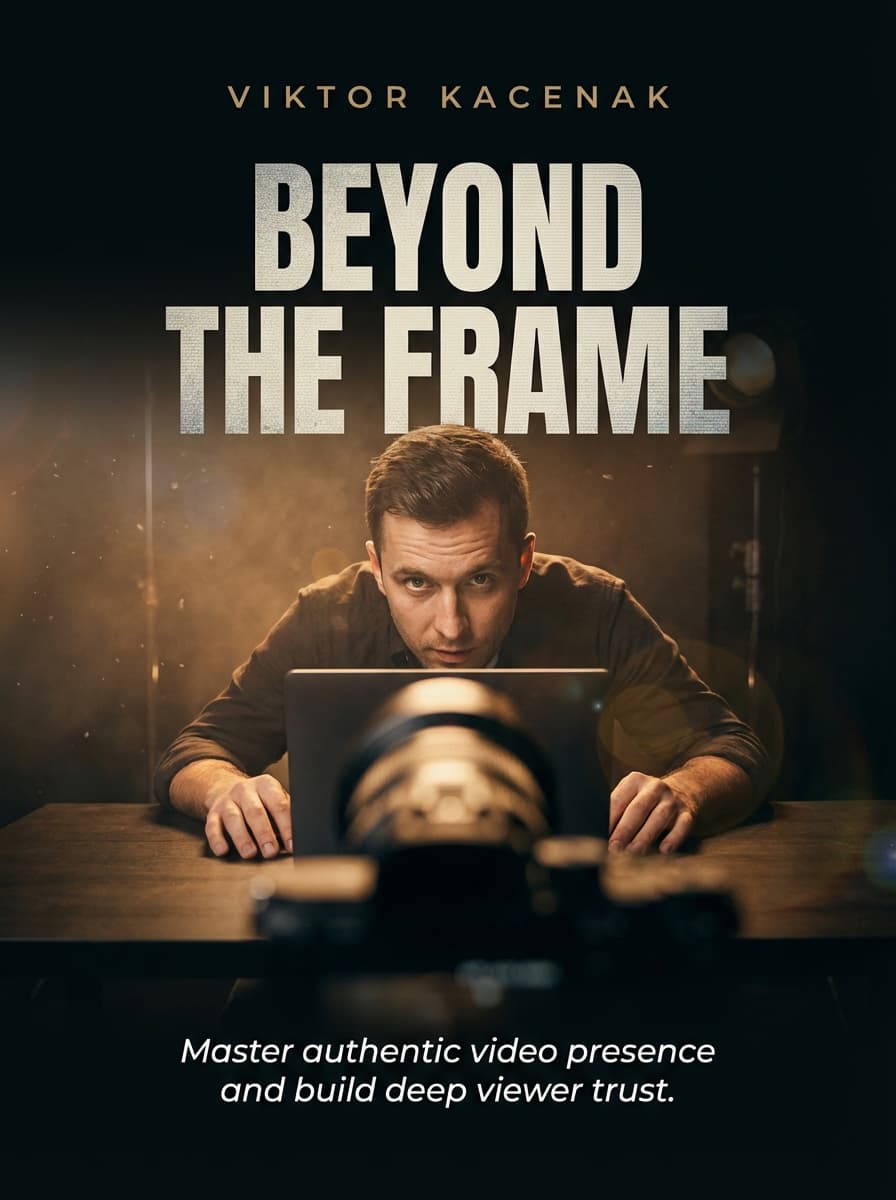
The red recording light blinks on. In that instant, the person you were moments ago vanishes. Your throat tightens, your hands forget where to rest, and a voice in the back of your mind starts whispering that you're about to embarrass yourself. This is the moment that separates those who create from those who only dream about it — the threshold between intention and action that every content creator must cross.
If this sounds familiar, you're not alone. Camera anxiety affects the vast majority of new creators, and even seasoned professionals admit that the inner critic never fully disappears. It simply learns to speak more quietly as you build the mental frameworks to override its warnings and trust your preparation instead of your fear.
But here's what the most magnetic on-screen personalities understand: confidence on camera isn't the absence of fear. It's a practiced skill, a muscle you build through deliberate repetition and self-awareness. The journey from anxious beginner to natural presenter follows a predictable arc that anyone can accelerate with the right approach and consistent practice.
Your body speaks before you do. Every gesture, posture shift, and micro-expression tells your audience a story about who you are and whether they should keep watching. The camera amplifies everything — a slight slouch becomes visible disengagement.
Start by finding your anchor position — the natural resting state your body returns to between gestures. For most people, this means shoulders back, chin slightly lifted, hands resting comfortably at waist height.
The red recording light blinks on. In that instant, the person you were moments ago vanishes. Your throat tightens, your hands forget where to rest, and a voice in the back of your mind starts whispering that you're about to embarrass yourself. This is the moment that separates those who create from those who only dream about it.
If this sounds familiar, you're not alone. Camera anxiety affects the vast majority of new creators, and even seasoned professionals admit that the inner critic never fully disappears. It simply learns to speak more quietly as you build the mental frameworks to override its warnings.
But here's what the most magnetic on-screen personalities understand: confidence on camera isn't the absence of fear. It's a practiced skill, a muscle you build through deliberate repetition and self-awareness. The journey from anxious beginner to natural presenter follows a predictable arc.
Research in cognitive psychology tells us that audiences form their impression within three seconds of seeing you on screen. That's less time than it takes to clear your throat. In those three seconds, your posture, eye contact, and vocal energy have already told a story.
The red recording light blinks on. In that instant, the person you were moments ago vanishes. Your throat tightens, your hands forget where to rest, and a voice whispers that you're about to embarrass yourself.
If this sounds familiar, you are not alone. Camera anxiety affects the vast majority of new creators, and even seasoned professionals admit that the inner critic never fully disappears.
But here is what the most magnetic on-screen personalities understand: confidence on camera is not the absence of fear. It is a practiced skill, a muscle you build through deliberate repetition.
In the chapters ahead, we will dismantle the myths that keep aspiring creators frozen in place and replace them with a concrete, science-backed framework you can begin using today.
The prefrontal cortex gets flooded by signals from the amygdala — the brain's threat detection center. Your body cannot distinguish between a camera lens and a thousand staring eyes.
This is why the physical symptoms feel overwhelming. Your mouth goes dry, your hands tremble, your voice cracks. Every single response is your body doing exactly what evolution designed it to do.
Dr. Marcos describes camera anxiety as a spectrum rather than a binary state. The goal is not to eliminate anxiety but to move yourself into the productive tension zone.
Research tells us audiences form their impression within three seconds. Your posture, eye contact, and vocal energy have already told a story before you speak a single word.
Stand in front of your camera every morning and record a thirty-second greeting. The goal is to normalize seeing that recording light and responding with calm presence rather than panic.
Professional anchors use the countdown method. Three seconds before going live, they take one deep breath, soften their facial muscles, and think of a single anchor word — steady, warm, or open.
This works because of embodied cognition: your physical state directly influences your mental state. Relax your shoulders, and your brain interprets these signals as safety cues.
Your body speaks before you do. Every gesture, posture shift, and micro-expression tells your audience a story about who you are and whether they should keep watching.
Studies in nonverbal communication show that body language accounts for up to fifty-five percent of the emotional impact of any message. Your words might be perfect, but if your body sends conflicting signals, audiences trust what they see.
Physical presence can be trained through small, deliberate adjustments to your posture and movement patterns over just a few weeks of dedicated practice.
Start by finding your anchor position — the natural resting state your body returns to between gestures. Shoulders back but not rigid, chin slightly lifted, hands at waist height.
Practice this position daily in front of a mirror for two minutes each morning. Notice where tension creeps in and gently release those areas back to neutral.
The screen creates a paradox. It connects you to thousands yet separates you from every single one of them. Learning to bridge that gap is the most important skill a modern creator can develop.
Conversational intimacy starts with treating the lens like a person you trust. When you look at the camera, imagine speaking to one specific person who genuinely needs to hear what you have to say.
The most successful creators share one common trait: they make each viewer feel like the only person in the room. This is a genuine orientation toward service, not a performance trick.
The screen is not a wall — it is a window. Your audience can see you, and more importantly, they can feel your energy through the digital medium.
Parasocial intimacy does not require revealing your deepest secrets. It requires consistent presence, genuine interest, and the courage to show up as yourself.
Your signature style emerges from the intersection of who you are and who you choose to be on screen. It is the thread that connects every piece of content you create.
Think of your on-screen persona as a volume dial, not a mask. You are still you — just at a slightly higher amplitude so the nuances of your personality survive the compression of digital media.
The journey from nervous beginner to confident creator is not a straight line. It is a spiral — each revolution bringing you closer to your authentic on-screen self.
Look back at where you started. Remember the racing heart, the stumbling words. Now your body knows its anchor position. Your voice has found its natural rhythm. Your eyes connect with the lens as naturally as they connect with a friend.
The world needs more authentic voices, more genuine perspectives. Every time you press record, you join a global conversation that shapes how people think, learn, and connect.
So take what you have learned, step in front of the camera, and share your story. Not perfectly — never perfectly — but authentically, with the quiet confidence of someone who knows that the person behind the lens matters far more than the frame around them.
Key Takeaways
Text is not a book
ChatGPT generates text. Jasper generates text. But text isn't a book. A book needs chapters that build on each other, consistent voice across 200 pages, a table of contents, covers, interior formatting, and export files that meet Kindle or print specifications. General-purpose AI stops at the text and leaves you to assemble the book across 3-4 other tools, spending 15-25 hours on what Authorio handles in a single workflow.
The real cost of "free" AI writing
ChatGPT Plus costs $20/mo. Sounds cheap until you add Canva for covers ($15/mo), a formatting tool ($147-249), and 15-25 hours of your time editing and assembling. A single "AI-written" book actually costs $750-1,200. Authorio gives you the complete pipeline: writing, editing, covers, formatting, export. All for $29/mo. Do the math.
AI quality is declining, and editorial matters more than ever
Stanford and UC Berkeley research showed GPT-4 accuracy dropped from 97.6% to 2.4% on certain benchmark tasks. The term "AI slop" surged 9x in 2025. Raw AI output is getting worse, not better. That's why Authorio's 4-pass editorial process (flow, style, fact-check, grammar) isn't a nice-to-have. It's the difference between publishable content and content that embarrasses you.
Non-fiction deserves its own tool
Sudowrite is built for fiction, and if you're writing novels, it's worth a look. But non-fiction is a different discipline: structured arguments, expertise transfer, professional authority. Generic AI tools don't understand this difference. Authorio was purpose-built for non-fiction from day one: business books, coaching materials, lead magnets, and authority content that positions you as the expert.
Readers can tell — and they're rejecting it
90% of listeners in an iHeartMedia study preferred guaranteed human-created content. Amazon introduced AI content disclosure requirements. The market is punishing generic AI content. The answer isn't to avoid AI. It's to use it right. Authorio's editorial refinement, voice adaptation, and professional design produce output that reads like expert human writing, not language model filler.
Which Tool Is Best for You?
Non-fiction professionals
Coaches, consultants, and subject-matter experts. This is what Authorio was built for. From your knowledge brief to a publish-ready book, lead magnet, or course material. One pipeline. No assembly required.
Anyone tired of the AI tool stack
If you're currently juggling ChatGPT + Google Docs + Canva + a formatting tool and spending 20+ hours per book, Authorio replaces the entire stack. Seriously, try it once and see how much time you get back.
Fiction writers
Sudowrite's Story Engine is purpose-built for creative fiction, and it's decent at what it does. But you'll still need separate tools for covers, formatting, and export. Authorio solves those natively if you want the full pipeline.
Budget explorers
ChatGPT's free tier works for brainstorming and rough outlines. Just know what you're signing up for: 15-25 hours of assembly work and $150-250 in additional tools before you have anything publishable.
The Bottom Line
We're biased — we built Authorio because we saw the gap firsthand. But the numbers speak for themselves: every other tool on this list handles one piece of book creation and leaves you to figure out the rest. ChatGPT generates text but not books. Sudowrite handles fiction drafts but nothing beyond that. Jasper is a marketing tool forced into a book-shaped hole. Authorio is the only complete pipeline, from outline to publish-ready file. For non-fiction authors who want to ship real books, not just generate words, we built this for you.
Ready to Create Your Book?
Go from idea to publish-ready in one place. Outline, write, design, and export — all in one studio.